
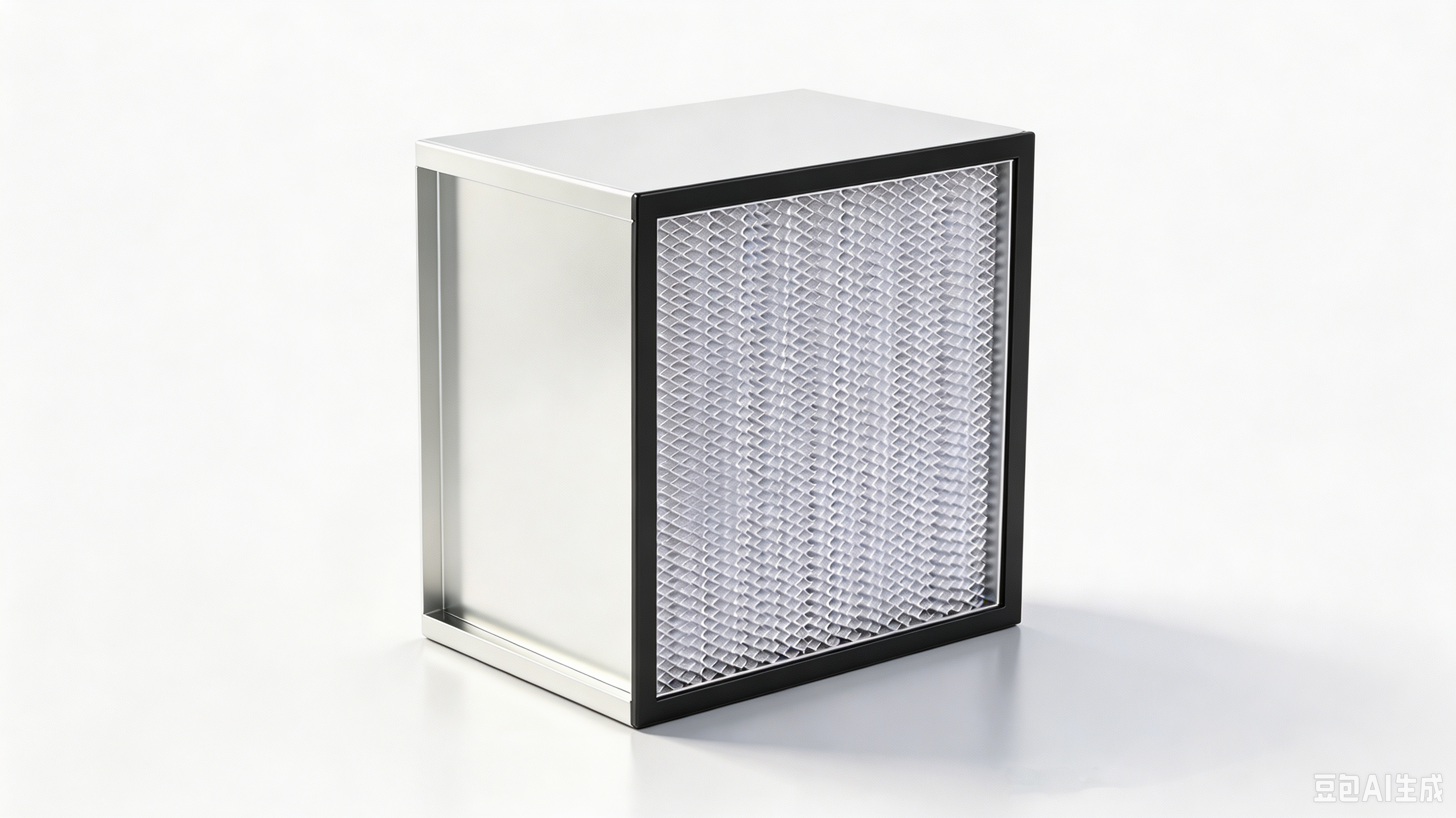
HEPA Filter Selection Guide: How to Choose Based on Cleanliness Class
High-efficiency particulate air (HEPA) filters are core components for cleanroom air purification. Selection directly impacts cleanroom performance and energy consumption. This guide explains how to choose the right HEPA or ULPA filter based on ISO 14644 standards.
1. Cleanliness Grades and Filter Efficiency
The ISO 14644-1 standard classifies cleanrooms into ISO 1-9 classes, with varying filter efficiency requirements for each class: - ISO 5 Class (Class 100): Typically requires ULPA filters with an efficiency of ≥99.999% - ISO 6 Class (Class 1,000): Requires HEPA filters with an efficiency of ≥99.99% - ISO 7 Class (Class 10,000): Requires HEPA filters with an efficiency of ≥99.97% - ISO 8 Class (Class 100,000): Requires HEPA filters with an efficiency of ≥99.5%
II. Select Filter Type
1. Panel Filters: High airflow, low resistance; ideal for large cleanrooms 2. Frameless Filters: Compact and lightweight; perfect for space-constrained areas 3. Liquid Pan Sealed Filters: Superior sealing; suited for high-cleanliness environments 4. Dry Pad Sealed Filters: Easy to install; designed for standard applications
3. Selection Criteria
1. Define cleanliness class requirements 2. Calculate required airflow volume 3. Select appropriate filter dimensions 4. Account for installation space constraints 5. Evaluate initial and final pressure drops 6. Determine replacement cycle and maintenance costs